
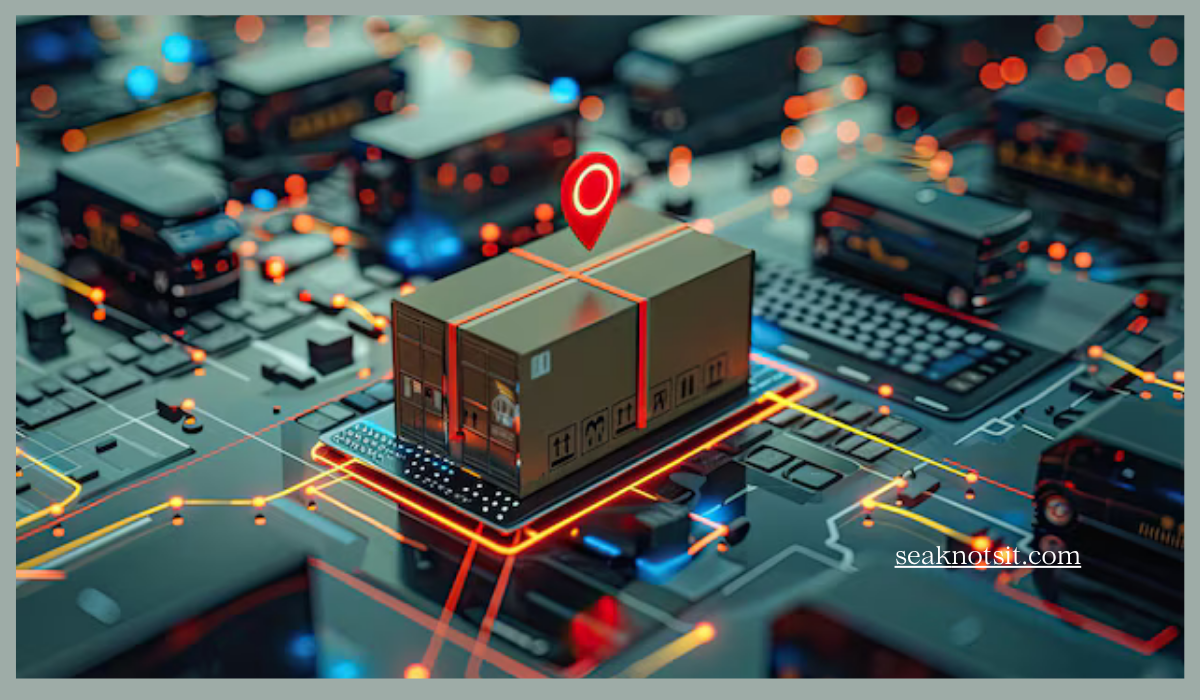
Introduction: Why Container Tracking Matters Today
In today’s global logistics ecosystem, businesses demand speed, transparency, and accuracy. With millions of containers moving across ports, warehouses, and borders daily, tracking them manually is no longer practical.
A container tracking system has become a critical tool for logistics companies to monitor shipments in real time, reduce operational inefficiencies, and deliver better customer service.
What Is a Container Tracking System?
A container tracking system is a technology-driven platform that enables businesses to track and manage shipping containers throughout their lifecycle—from pickup to final delivery.
It provides real-time updates on container location, movement, and condition, helping stakeholders make informed decisions and avoid disruptions.
Key Components
- GPS Tracking
Uses satellite-based positioning to provide real-time container location.
- Internet of Things (IoT) Sensors
Sensors monitor:
- Temperature
- Humidity
- Shock and vibration
- Door status
Especially useful for reefer containers and sensitive cargo.
- Cloud-Based Platforms
Centralized systems that store and process tracking data, accessible anytime, anywhere.
- API Integrations
Allows integration with:
- Transportation Management Systems (TMS)
- Enterprise Resource Planning (ERP)
- Warehouse Management Systems (WMS)
- Analytics & Reporting Tools
Provide insights into:
- Transit times
- Delays
- Route optimization
- Operational performance
How a Container Tracking System Works
- A container is assigned a unique tracking ID
- GPS or IoT devices capture location and condition data
- Data is transmitted to a cloud-based system
- Users access real-time updates via dashboard or mobile app
- Alerts are generated for delays or issues
Types of Container Tracking Systems
- Real-Time GPS Tracking
Offers continuous location updates.
- Event-Based Tracking
Updates status at key checkpoints (ports, depots, customs).
- Carrier-Based Tracking
Uses shipping line data for container status updates.
- Smart IoT Tracking
Advanced tracking with environmental monitoring and predictive analytics.
Benefits of a Container Tracking System
Tank depot solutions are specialized systems designed to manage tank containers used for transporting liquids such as chemicals, oils, and food-grade products.
Key Services in Tank Depot Operations
- Tank cleaning and sterilization
- Heating and cooling systems
- Hazardous material handling
- Storage and inventory tracking
- Regulatory compliance (safety & environmental)
- Maintenance and inspection
Semantic Entities
- ISO Tank Containers
- Hazardous Materials (HAZMAT)
- Chemical Logistics
- Food-grade transportation
- Environmental Health & Safety (EHS)
Integration: Why These Solutions Work Best Together
Individually, each solution adds value—but when integrated, they create a powerful logistics ecosystem.
Unified Benefits
- Real-time visibility across shipments, containers, and tanks
- Seamless data flow between operations
- Centralized control and monitoring
- Reduced manual intervention and errors
- Improved decision-making with data analytics
Key Features to Look For in Modern Solutions
When selecting logistics management software or depot solutions, businesses should prioritize:
Automation & Workflow Management
Reduces manual tasks and increases efficiency.
Real-Time Tracking & IoT Integration
Track shipments, containers, and tank conditions in real time.
Compliance & Documentation
Ensure adherence to international regulations and standards.
Cloud-Based Infrastructure
Enables scalability, remote access, and data security.
API Integrations
Connect with ERP, CRM, and third-party logistics platforms.
Business Benefits: ROI-Driven Logistics Transformation
Cost Optimization
- Lower operational and labor costs
- Reduced container downtime
- Optimized resource utilization
Improved Efficiency
- Faster processing and turnaround times
- Streamlined workflows
- Better coordination between teams
Risk Reduction
- Minimized human errors
- Enhanced compliance
- Improved safety in tank operations
Data-Driven Growth
- Predictive analytics
- Performance tracking
- Strategic decision-making
Use Cases across Industries
Automotive
Efficient handling of parts and components logistics.
Oil & Gas Manufacturing
Streamlined supply chain and inventory management.
Chemicals & Pharma
Safe and compliant tank container handling.
E-commerce
Faster delivery and optimized warehouse operations.
FMCG & Food Industry
Temperature-controlled logistics and hygiene compliance.
Integration with Logistics Ecosystem
A container tracking system works best when integrated with:
- Freight Forwarding Software
- Depot Container Management Systems
- Tank Container Tracking Solutions
- Port Management Systems
- Customs Clearance Platforms
This creates a fully connected and automated supply chain.
Why Choose Seaknots IT for Container Tracking System?
For businesses looking for a reliable and scalable solution, Seaknots IT offers one of the most advanced container tracking systems in India.
Key Features:
- Real-time container tracking
- IoT-enabled monitoring
- Seamless API integrations
- Centralized dashboard
- Customizable alerts and reporting
- Scalable for small to enterprise logistics businesses
Seaknots IT helps logistics companies achieve end-to-end visibility and operational efficiency.
Key Features to Look For
- Real-time tracking and alerts
- Multi-modal shipment visibility
- Cloud-based access
- Mobile compatibility
- Data security and compliance
- Integration capabilities
Challenges without a Tracking System
- Lack of visibility
- Frequent shipment delays
- Poor customer communication
- Increased operational costs
- Limited scalability
Final Thoughts
A container tracking system is no longer a luxury—it’s a necessity in modern logistics. With increasing complexity and competition, businesses need real-time visibility and control over their operations.
By adopting advanced solutions like those offered by Seaknots IT, logistics companies can streamline operations, reduce costs, and deliver superior customer experiences.
Frequently Asked Questions (FAQs)
- What is the main purpose of a container tracking system?
To provide real-time visibility and control over container movements across the supply chain.
- How accurate are container tracking systems?
Modern systems using GPS and IoT offer highly accurate, real-time tracking data.
- Can small logistics businesses use container tracking systems?
Yes, cloud-based solutions are scalable and affordable for small and mid-size businesses.
- What technologies are used in container tracking?
GPS, IoT sensors, cloud computing, APIs, and data analytics.
- How does container tracking improve customer experience?
By providing real-time updates, accurate ETAs, and proactive issue notifications.
Quick Answers (Concise Summary)
- What is a container tracking system?
A container tracking system is a digital solution that provides real-time visibility into the location, status, and movement of shipping containers across the supply chain. - How does it work?
It uses technologies like GPS, IoT sensors, APIs, and cloud platforms to track containers from origin to destination. - Who uses it?
Freight forwarders, shipping lines, logistics companies, importers/exporters, and depot operators. - Why is it important?
It improves visibility, reduces delays, enhances customer experience, and optimizes logistics operations.
2 thoughts on “What Is a Container Tracking System? (Complete Guide)”